

A good dog trainer doesn’t just teach “sit” and “stay.” The right trainer helps you understand why your dog pulls, jumps, barks, freezes, guards food, ignores recall, or struggles to relax around everyday distractions.
That matters because dog training is rarely about one isolated behavior. It’s about communication, structure, timing, trust, and consistency. For many owners searching for dog trainers in reading, the real goal is simple: a calmer dog, a safer home, and a better bond that holds up outside the training facility.
Whether you have a new puppy, an adolescent dog testing every boundary, or an adult dog with behavior challenges, the right training program can make everyday life feel more manageable. This guide walks through what to look for, which training options may fit your dog’s individual needs, and how to make the most of each session.
Key Takeaways
- The best dog trainer for your family should match the program to your dog’s individual needs, not force every dog into the same class.
- Good dog training builds practical skills for everyday life, including leash manners, recall, calm greetings, and confidence around distractions.
- Puppy training, adult dog training, private sessions, boarding with training, and behavior modification all serve different goals.
- Positive reinforcement, clear structure, and consistent owner practice help training stick.
- Progress should be measured by calmer behavior, better communication, and a stronger owner-dog partnership.
Why Choosing Dog Trainers in Reading Takes More Than a Quick Search
Searching for dog trainers in reading can bring up plenty of options, but a search result doesn’t always tell you how a trainer works with dogs, how they support owners, or whether their approach fits your dog’s temperament. A puppy who needs basic education is not the same as an adult dog with fear, leash reactivity, or resource guarding. A family pet who needs manners around children may need a different plan than a dog preparing for therapy work, service skills, or advanced obedience.
Start by looking at the trainer’s process. Do they evaluate your dog first? Do they ask about your goals, household routine, comfort level, and previous training history? A professional trainer should want to know what happens at home, on walks, near other dogs, during grooming, around guests, and in stressful settings. That information helps shape a training program that supports the dog in real life, not just inside a class.
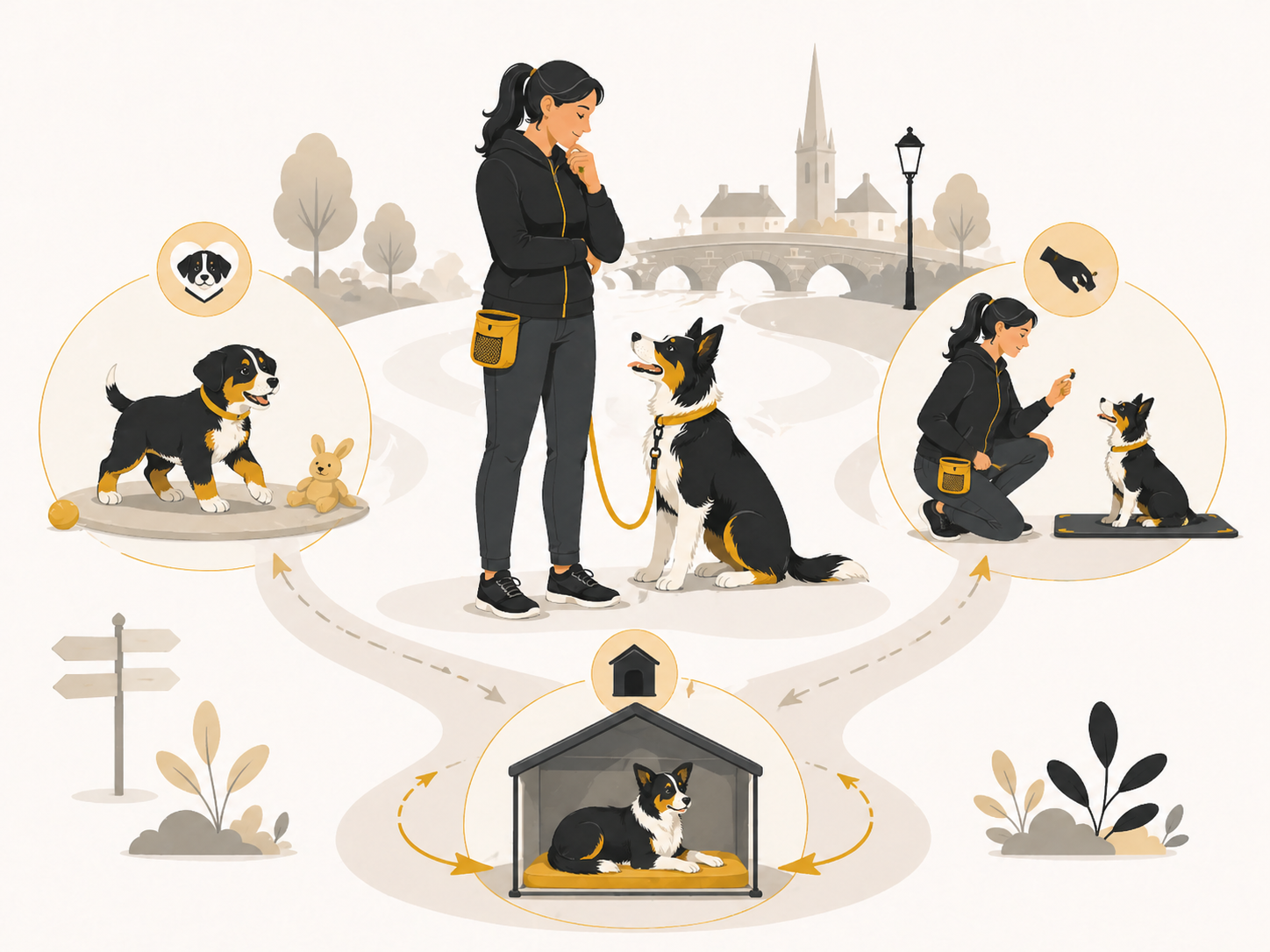
Local context matters too. If you live in Reading or nearby communities, your dog may need to practice around town sidewalks, traffic, parks, busy parking lots, vet visits, family gatherings, and other everyday distractions. A strong dog training plan should help your dog build skills that transfer across locations. That’s one reason many owners prefer working with a local facility that can provide structured guidance, safe practice areas, and follow-up support.
What a Strong First Evaluation Should Cover
A first evaluation should feel practical, not rushed. The trainer may observe how your dog enters the facility, responds to new people, manages leash pressure, reacts to nearby dogs, and recovers after mild stress. This helps identify whether your dog needs a group class, private training, day training, board and train, or a more personalized behavior program.
You should also expect questions about your goals. Do you want your dog to walk without pulling? Come when called? Relax in the house? Stop jumping on guests? Manage anxiety? Improve confidence? Learn safer handling for grooming or vet care? Clear goals make it easier to build a plan and measure success.
The trainer should also explain what owner involvement looks like. Even when a trainer does much of the teaching, the owner still has to practice, reinforce, and maintain the behavior at home. Training is a partnership, not a handoff.
Why Training Philosophy Matters
Training methods affect learning, trust, and long-term behavior. Many modern animal behavior professionals recommend reward-based approaches because they teach the dog what to do while reducing unnecessary stress. The American Veterinary Society of Animal Behavior has published position statements supporting humane, evidence-informed training practices.
That doesn’t mean training has to be loose or permissive. Good training can be structured, firm, and clear without being unfair. Dogs learn best when expectations are consistent and the owner understands how to reward the right behavior, prevent unwanted rehearsal, and guide the dog before things spiral.
For example, if your dog barks at visitors, the answer usually isn’t just “stop barking.” A trainer may teach a place command, reward calm behavior, manage the doorway setup, and help your dog practice with controlled guest arrivals. That gives your dog a job and gives you a plan.
What Quality Dog Training Should Actually Teach
Good dog training in reading should go beyond commands. Of course, basics like sit, down, stay, come, heel, and place matter. But those skills are only useful if your dog can perform them when the environment gets harder. A dog who sits in the kitchen but can’t focus near a sidewalk, another dog, or a delivery driver still needs more practice.
That’s where professional guidance helps. A trainer can break behaviors into smaller steps, control distractions, and teach you how to build reliability over time. Instead of expecting instant obedience, the goal is to help your dog understand the skill in different contexts. This is where confidence grows.
Strong training programs also teach owners how to read behavior. You’ll learn when your dog is relaxed, conflicted, overstimulated, avoidant, or ready to work. Those signs matter. A dog who looks “stubborn” may actually be overwhelmed. A dog who lunges may be excited, frustrated, fearful, or guarding space. The training plan should respond to the reason behind the behavior.
Core Skills Most Dogs Need
Most family dogs benefit from a foundation that supports safety and daily comfort. Loose-leash walking helps reduce pulling and frustration. Recall makes off-leash moments safer when legally and appropriately practiced. Place training can teach a dog to settle while the family eats, answers the door, or hosts guests.
Impulse control is another major skill. Dogs need to learn that calm behavior often gets them what they want. That could mean waiting before exiting the crate, sitting before greeting, staying relaxed before the leash goes on, or checking in with the owner before approaching a distraction.
Handling skills matter too. Your dog should gradually learn to accept brushing, collar handling, paw checks, ear care, and basic grooming routines. These skills improve safety and comfort for the dog, the owner, the groomer, and the veterinarian.
Behavior Support for More Serious Challenges
Some dogs need more than basic obedience. Fear, anxiety, dog aggression, people aggression, food guarding, reactivity, and panic around new environments require a more careful plan. A behavior-focused program should identify triggers, manage risk, build safer routines, and work at a pace the dog can handle.
Owners should be honest about these challenges during the evaluation. A trainer can only build a safe plan when they understand the full picture. This includes bite history, growling, snapping, guarding, escape attempts, kennel stress, or trouble with children, strangers, or other animals.
For dogs with complex behavior concerns, private sessions may be more appropriate than group training classes. In some cases, a veterinarian or veterinary behaviorist may also be part of the support team, especially if anxiety, pain, or medical issues may be contributing to behavior. The American Animal Hospital Association offers helpful veterinary guidance on behavior management and animal welfare.
Positive Reinforcement and Structure Can Work Together
Positive dog training is sometimes misunderstood as only using treats or letting the dog do whatever they want. That’s not accurate. Positive reinforcement means the dog is rewarded for the behavior you want repeated. Structure means the dog has clear rules, predictable routines, and fewer chances to practice habits you’re trying to change.
For example, if your dog jumps on guests, you can reward four paws on the floor, use a leash for management, teach a place command, and practice calm greetings in short repetitions. That combination is structured and positive. It teaches the dog a better option.
The owner’s timing makes a big difference. Reward too late, and the dog may not connect the behavior to the outcome. Correct too harshly, and the dog may become stressed or confused. A good trainer helps you understand timing, body language, and fair expectations.
How to Match the Right Program to Your Dog’s Needs
Not every dog needs the same type of class, session, or training program. A social puppy may do well with early education and controlled exposure. A high-energy adolescent may need obedience, leash work, impulse control, and better management around distractions. An adult rescue may need confidence building before formal obedience can fully take hold.
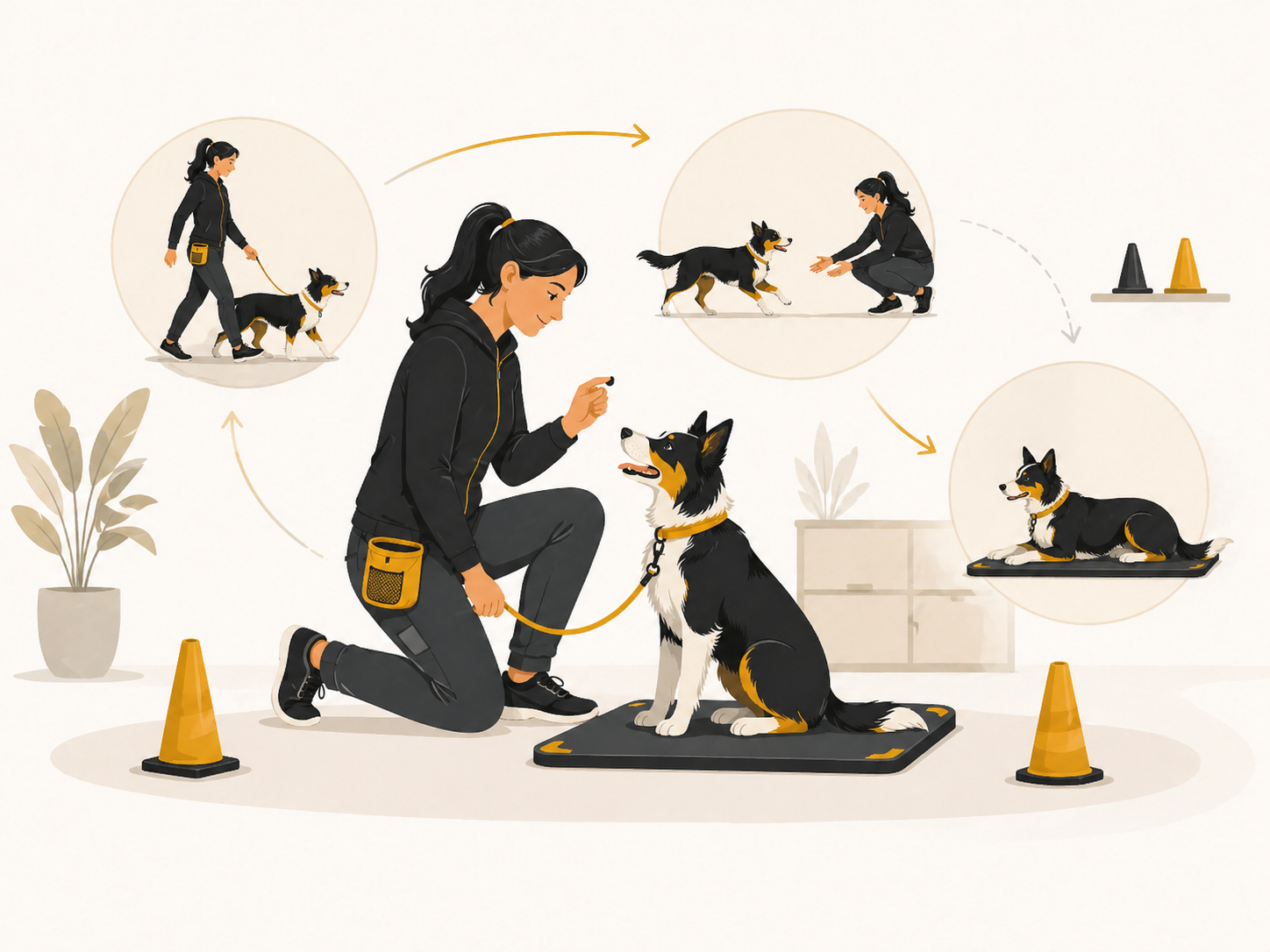
When comparing options, think about your dog’s individual needs first. What is the main challenge? Where does it happen? How often? What have you already tried? What does success look like in your home? The clearer you are, the easier it is to choose between private sessions, day training, group-style work, board and train, or behavior modification.
A visual checklist can help here. In WordPress, this section would pair well with a simple “training program match” graphic showing common goals like puppy basics, leash manners, behavior support, boarding with training, and owner coaching.
Puppy Training and Early Education
Puppy training should focus on much more than cute tricks. Young dogs need safe exposure, confidence, bite inhibition, crate comfort, potty routines, name recognition, handling skills, and early leash foundations. They also need to learn how to relax, not just how to play.
The American Veterinary Society of Animal Behavior notes that early, safe socialization is important for puppies, and owners should work with their veterinarian to balance vaccination status with appropriate exposure. The American Veterinary Medical Association also shares guidance on socialization for dogs and cats.
For puppy owners, the best program is one that teaches the dog and the family at the same time. Everyone in the home should use the same cues, rules, and reward patterns. If one person allows jumping while another tries to stop it, the puppy gets mixed messages.
Adult Dog Training and Manners
Adult dog training can be just as successful as puppy training, but the process may look different. Adult dogs often come with established habits, stronger preferences, and a history of what has worked for them. That doesn’t make them untrainable. It simply means the trainer may need to replace old patterns with new routines.
A dog who pulls on leash may have practiced that habit for years. A dog who rushes the door may have learned that excitement gets results. A dog who barks from the window may have rehearsed that behavior every day. Training helps interrupt those patterns and build alternatives.
For many adult dogs, private lessons or structured day training can be a good fit. Owners can focus on specific goals, practice with feedback, and work around the dog’s real challenges. If you want to compare service options, the facility’s training service page is a useful place to start.
Board, Train, and Boarding With Training Options
Board and train programs can be helpful when a dog needs concentrated work, a controlled environment, or support while the owner is away. These programs may focus on obedience, leash manners, behavior modification, confidence, or a mix of goals. They can also help owners who need professional structure beyond weekly sessions.
The key is transfer. Your dog may learn skills with the trainer, but you still need to learn how to maintain them. Ask whether the program includes a handoff session, homework, follow-up guidance, and clear explanations of the cues and reinforcement plan.
For owners comparing kennel care with training support, boarding options can be useful when travel overlaps with training goals. The best setup gives your dog a safe place to stay while also supporting practical progress.
Daycare, Socialization, and Safe Group Exposure
Doggie daycare can provide exercise, enrichment, and appropriate dog socialization for suitable dogs. But not every dog is a daycare dog, and that’s okay. A safe program should consider temperament, arousal level, play style, comfort, and whether the dog can settle after activity.
Some dogs benefit from structured exposure to other dogs. Others need calmer one-on-one work before group settings make sense. A professional trainer can help decide whether group play, controlled parallel work, or private training is the safer choice.
For dogs who are appropriate candidates, doggie daycare may support exercise and social outlets alongside training. The important word is “appropriate.” Social time should build confidence, not create stress.
What Owners Can Do Between Training Sessions
Training doesn’t end when the session ends. What you do at home determines whether your dog keeps improving. Short daily practice works better than one long, frustrating drill. Most dogs learn well with brief sessions, clear goals, and plenty of repetition in normal routines.
Start by choosing one or two skills at a time. For example, practice place while you prepare dinner, leash check-ins before walks, recall in the hallway, or calm greetings with one familiar guest. Keep it simple enough that your dog can succeed. Then slowly add difficulty.
Owners also need to manage the environment. If your dog barks at every passerby, block window access during training. If your puppy chews shoes, keep shoes out of reach. If your dog jumps on guests, use a leash or baby gate before the door opens. Management is not failure. It prevents bad habits from getting stronger while you teach better ones.
Build a Practice Schedule You Can Keep
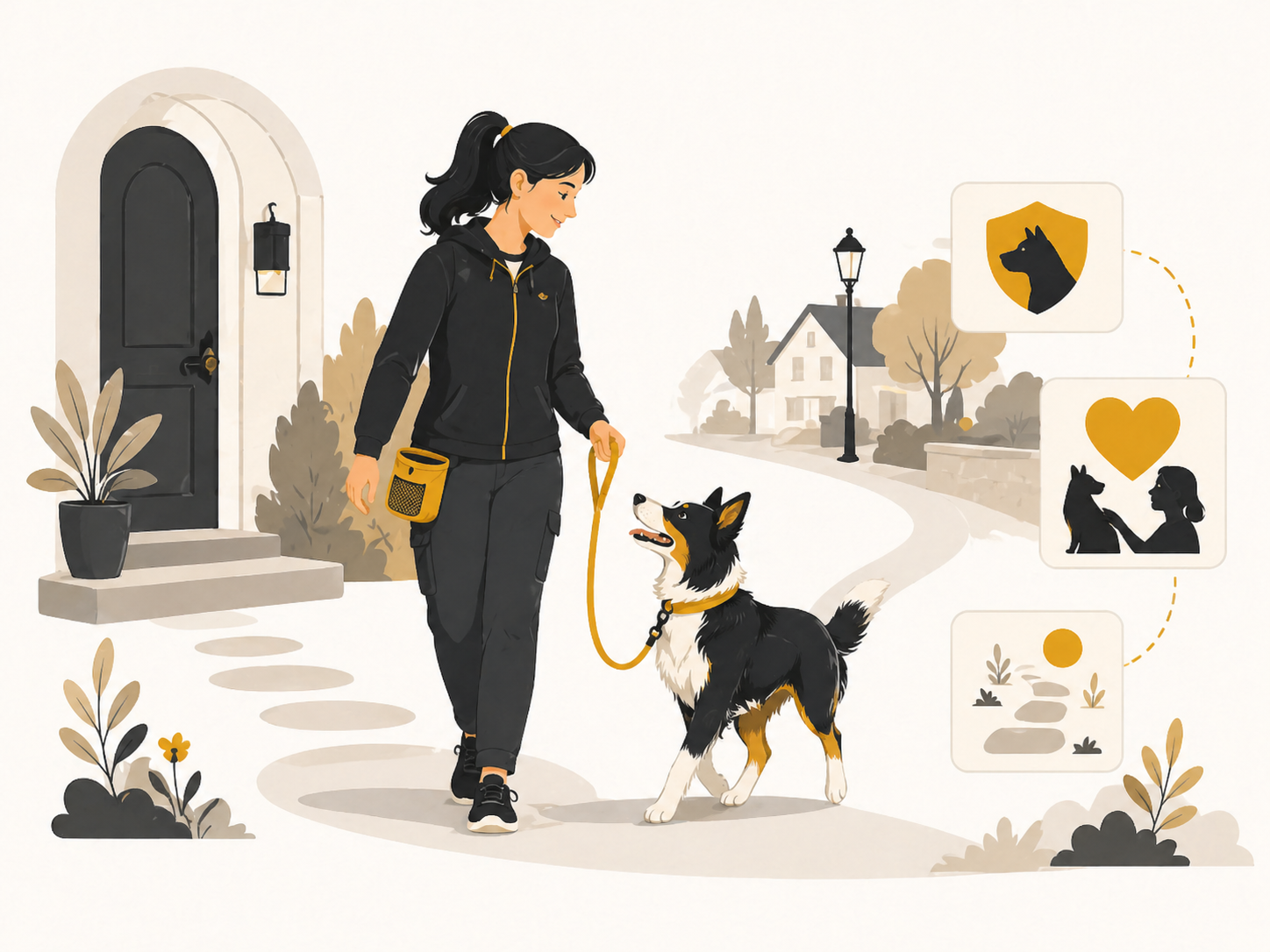
A realistic schedule beats an ambitious plan you abandon after three days. Aim for five to ten minutes of focused work, once or twice a day. You can also add tiny practice moments into everyday life: sit before meals, wait at thresholds, come when called from another room, settle on a mat during coffee, or heel for a short stretch during a walk.
A simple weekly table can help owners stay consistent. Columns might include the skill, location, distraction level, success rate, and next step. This kind of visual makes progress easier to see and gives every family member the same plan.
If your trainer gives homework, follow it closely before adding your own changes. Training plans are usually sequenced for a reason. Skipping steps can make the behavior shakier, especially with fear, reactivity, or aggression cases.
Use Reinforcement With Better Timing
Reinforcement works best when your dog understands exactly which behavior earned the reward. That means marking the right moment with a word like “yes” or a clicker, then delivering the reward. The reward might be food, praise, a toy, movement, access to sniffing, or permission to greet, depending on what motivates your dog.
For example, if your dog looks at another dog and then checks back in with you, mark and reward that check-in quickly. If you wait until your dog starts barking, you missed the teachable moment. Timing is a skill, and it improves with practice.
The Humane Society of the United States offers a clear overview of positive reinforcement training for pet owners. It’s a useful reference if you want a beginner-friendly explanation of reward-based methods.
Keep the Whole Family Consistent
Dogs learn patterns. If one family member rewards calm greetings while another allows jumping, the dog will keep trying both. If one person says “down” for lying down and another says “down” for getting off the couch, the dog may become confused.
Choose one cue for each behavior. Write the cues down if needed. Decide what is allowed, what is not allowed, and what the dog should do instead. This is especially important for families with children, older relatives, or multiple caregivers.
Consistency also includes safety rules. If your dog is reactive, anxious, or still learning leash manners, follow facility guidance and avoid risky greetings. The facility’s guidelines page is a helpful reminder that safe spacing, controlled entrances, and respectful handling protect every dog and owner.
How to Know Your Dog Is Making Real Progress
Progress in dog training is not always dramatic. Sometimes the biggest wins are quiet. Your dog looks back at you instead of lunging. Your puppy settles faster after play. Your adult dog walks past a distraction with less pulling. Your nervous dog recovers more quickly after a noise. Those small changes matter.
A good trainer should help you measure progress in practical terms. Instead of asking, “Is my dog fixed?” ask better questions. Can my dog perform the skill in more locations? Does my dog recover faster? Are walks safer? Are greetings calmer? Can I manage challenging moments with more confidence?
Training success also depends on the owner’s comfort. You should feel more prepared, not more confused. If you leave each session with clear next steps, realistic practice goals, and a better understanding of your dog, the program is doing more than teaching commands.
Signs the Training Plan Is Working
Look for improved focus, faster response to cues, fewer intense reactions, better recovery after stress, and more relaxed body language. Your dog may still make mistakes, especially in new locations or around harder distractions. That’s normal.
You should also notice that the training feels more predictable. You know when to reward. You know when to create space. You know when your dog needs a break. That owner education is part of the process.
For behavior cases, success may mean safer management before it means full freedom. A dog with reactivity may first learn to watch dogs from a distance without barking. A dog with fear may first learn to relax in the parking lot before entering a busy room. These are valid steps.
When to Adjust the Program
If your dog is not improving, don’t assume the dog is the problem. The plan may need a different pace, a quieter location, better rewards, clearer cues, more management, or additional professional support. Some dogs also need veterinary input if pain, anxiety, or health concerns are affecting behavior.
Ask your trainer what they’re seeing. A professional should be able to explain what is working, what is not, and what should change. Training should never feel like a mystery.
You may also need to adjust goals. A dog with severe fear may not become a busy café patio dog, but they may become calmer, safer, and more comfortable in the routines that matter most to your family. That is still success.
Why the Owner-Dog Bond Is the Real Measure
The best training builds trust. Your dog learns that you are clear, fair, and consistent. You learn how to guide your dog before problems escalate. That partnership changes daily life.
When the bond improves, everything gets easier. Walks feel less tense. Guests feel less chaotic. Grooming becomes more manageable. The kennel stay feels less stressful. Your dog can relax because the rules make sense.
That’s the real value of choosing the right dog trainers in reading. It’s not about chasing perfect obedience. It’s about building a safer, calmer, more confident life with your dog.
FAQs
How do I choose the best dog trainers in reading?
Start with your dog’s needs, then look for a trainer who offers an evaluation, clear goals, and practical owner guidance. Ask how they handle puppy training, adult dog training, behavior challenges, and follow-up support. The right fit should make you feel informed, not pressured.
What age should a puppy start dog training?
Puppies can begin basic learning as soon as they come home, using short, positive sessions. Early work should focus on name response, potty routines, crate comfort, handling, confidence, and safe socialization. Your veterinarian can help you plan exposure around your puppy’s vaccination schedule.
Are private sessions better than dog training classes?
Private sessions are often better for specific behavior concerns, reactivity, fear, aggression, or goals that need one-on-one coaching. Dog training classes can work well for basic manners and controlled practice around distractions. The best choice depends on your dog’s temperament and your training goals.
Can adult dogs still be trained successfully?
Yes, adult dogs can learn new skills and improve behavior with the right plan. They may need more repetition because some habits are already established. Consistency, reinforcement, structure, and owner follow-through make a major difference.
What is board and train good for?
Board and train can help when a dog needs focused work in a structured setting, especially for obedience, leash skills, confidence, or certain behavior challenges. It’s also useful when owners want training support while the dog is boarding. The owner still needs a handoff session and home practice so the skills continue after pickup.
How long does dog training take?
It depends on the dog, the behavior, the owner’s consistency, and the program type. Basic manners may improve within a few sessions, while fear, aggression, or long-standing behavior issues often take longer. A good trainer should give you realistic expectations after evaluating your dog.
Does positive dog training mean no rules?
No. Positive dog training can include clear rules, structure, boundaries, and consistent expectations. The difference is that the dog is taught what to do through reinforcement, guidance, and fair management rather than confusion or unnecessary stress.
A well-trained dog is not just easier to manage. They’re easier to understand. Choose training that supports your dog’s needs, teaches you how to follow through, and helps both of you move through everyday life with more confidence.